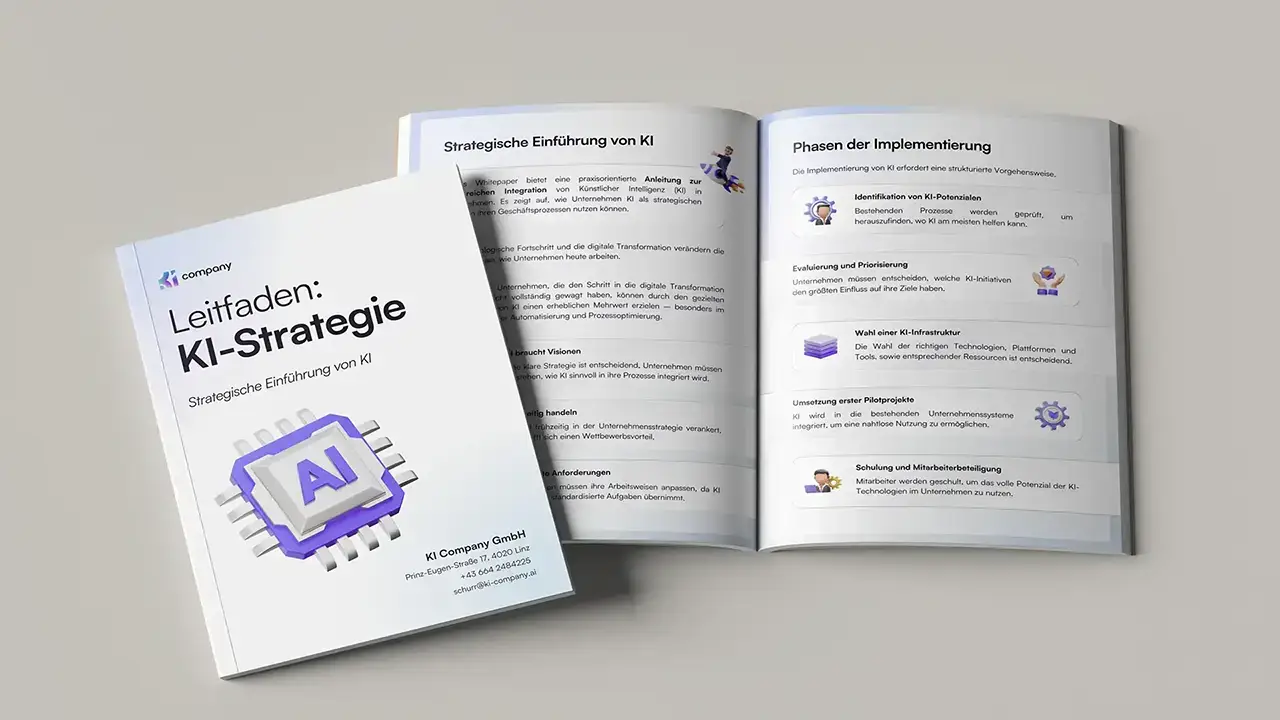
Artificial intelligence is currently changing not only technologies and processes but also the demands on employees. Companies increasingly need teams that understand digital tools, use AI effectively, and master new ways of working. This is precisely why upskilling is becoming so important.
While many discussions around AI often focus on automation, in practice, a different effect is primarily observed: employees need to build new skills to keep pace with technological developments.
Upskilling describes the targeted further development of existing skills, enabling employees to productively use new technologies in their daily work.
What does upskilling mean?
Upskilling describes the expansion and deepening of existing skills to prepare employees for new requirements. Unlike reskilling, employees do not completely switch to new areas of responsibility. Instead, they further develop existing skills and supplement them with new digital competencies. Especially due to artificial intelligence, new requirements are currently emerging in almost all business areas.
These include, for example:
- Using AI tools
- Data analysis
- Digital communication
- Process automation
- AI-powered work processes
- Basic technological skills
This noticeably changes the daily work of many teams.
Why AI makes upskilling necessary
The pace of technological developments is continuously increasing. Many tasks are already changing today due to intelligent systems, automated processes, and AI-powered software solutions.
Particularly affected are activities with:
- a high volume of information
- repetitive processes
- data-driven decisions
- standardized processes
Employees must therefore learn to work productively with new technologies. Companies that invest early in skills can implement changes significantly faster.

Which skills are becoming more important due to AI
The demands on teams are changing significantly with the use of artificial intelligence.
Particularly important future skills include:
- analytical thinking
- data literacy
- critical evaluation of AI results
- digital process competence
- problem-solving ability
- strong communication skills
- basic technological understanding
Handling generative AI is also increasingly becoming a relevant core competency.
Employees need to understand how AI systems work, what their limitations are, and how results can be effectively utilized.
Why technological competence alone is not enough
Many companies focus exclusively on technical training for upskilling. However, practice shows that successful AI utilization requires much more. In addition to technological knowledge, human skills are becoming particularly important.
These include:
- Creativity
- strategic thinking
- Communication
- Decisiveness
- Adaptability
- Teamwork
The more processes are automated, the more important skills become that AI cannot fully replace.
How AI is changing the workday
AI is already transforming numerous work processes today. In marketing, intelligent systems assist with content creation, analysis, and campaign management. In customer service, AI systems help with ticket processing and knowledge management. New ways of working are also emerging in areas like HR, sales, and project management through AI-powered tools.
This leads to an increasing shift in tasks:
- less manual routine work
- more strategic activities
- increased data focus
- faster decision-making processes
Employees increasingly function as control and decision-making units within digital processes.
Why companies should invest in upskilling now
Many companies currently still underestimate the speed of technological change. At the same time, the demand for employees with digital skills is continuously increasing.
Upskilling is becoming particularly relevant due to:
- Skilled labor shortage
- Digitalization
- AI-powered processes
- increasing pace of innovation
- new business models
Companies that build competencies early gain long-term competitive advantages.
The Role of Leaders in Upskilling
Leaders play a central role in technological changes. They must not only provide organizational support to teams but also offer guidance on how to use new technologies.
Particularly important are:
- transparent communication
- realistic expectations
- fostering a learning culture
- openness to change
- continuous training
Companies with a strong learning culture often respond significantly more successfully to technological changes.
Why Continuous Learning is Becoming More Important
The world of work is changing faster today than ever before. As a result, knowledge acquired once is often no longer sufficient to remain competitive in the long term. Continuous learning is therefore increasingly becoming the standard for modern companies. Especially in the field of AI, new tools, platforms, and work methods are constantly emerging. Companies therefore need structures that permanently integrate learning into daily work.
Challenges Arising from Upskilling
Despite the importance of upskilling, there are numerous challenges.
These include:
- lack of time for further training
- uncertainty regarding AI
- inadequate learning structures
- lack of internal expertise
- rapid technological changes
A practical approach is therefore particularly important.
Employees learn new technologies much more successfully when training is directly linked to real work processes.

How Companies Can Successfully Start Upskilling
The starting point should always be an analysis of future skill requirements.
Key questions include:
- Which processes are changing due to AI?
- What skills are currently lacking?
- What tools will be used in the future?
- Which teams are most affected?
Based on this, targeted training programs can be developed.
Practical training with a direct link to daily work is particularly beneficial.
Why Upskilling is Becoming Strategically Important in the Long Term
Upskilling is increasingly becoming a decisive competitive factor. Companies not only need modern technologies, but also employees who can use them effectively. Artificial intelligence, in particular, is creating new demands across almost all business areas. The AI Company supports companies in building sustainable AI competencies and specifically preparing teams for new digital ways of working.
Frequently Asked Questions about Upskilling
What does upskilling mean?
Upskilling refers to expanding existing skills to prepare employees for new demands.
Why is AI making upskilling more important?
Artificial intelligence is transforming work processes and demanding new digital skills.
What skills will be particularly important in the future?
Data literacy, analytical thinking, basic technological knowledge, and digital communication will be particularly relevant.
What is the difference between upskilling and reskilling?
Upskilling expands existing skills, while reskilling prepares for entirely new job roles.
How can companies successfully implement upskilling?
Key elements include practical training programs, continuous learning, and a strong learning culture.